Cloud Kitchens, Virtual Brands and the Next Restaurant Operating Model
Delivery-only kitchens let Gulf operators add brands without adding dining rooms. The model is spreading, but commissions, discovery costs and new regulation show where its limits lie.
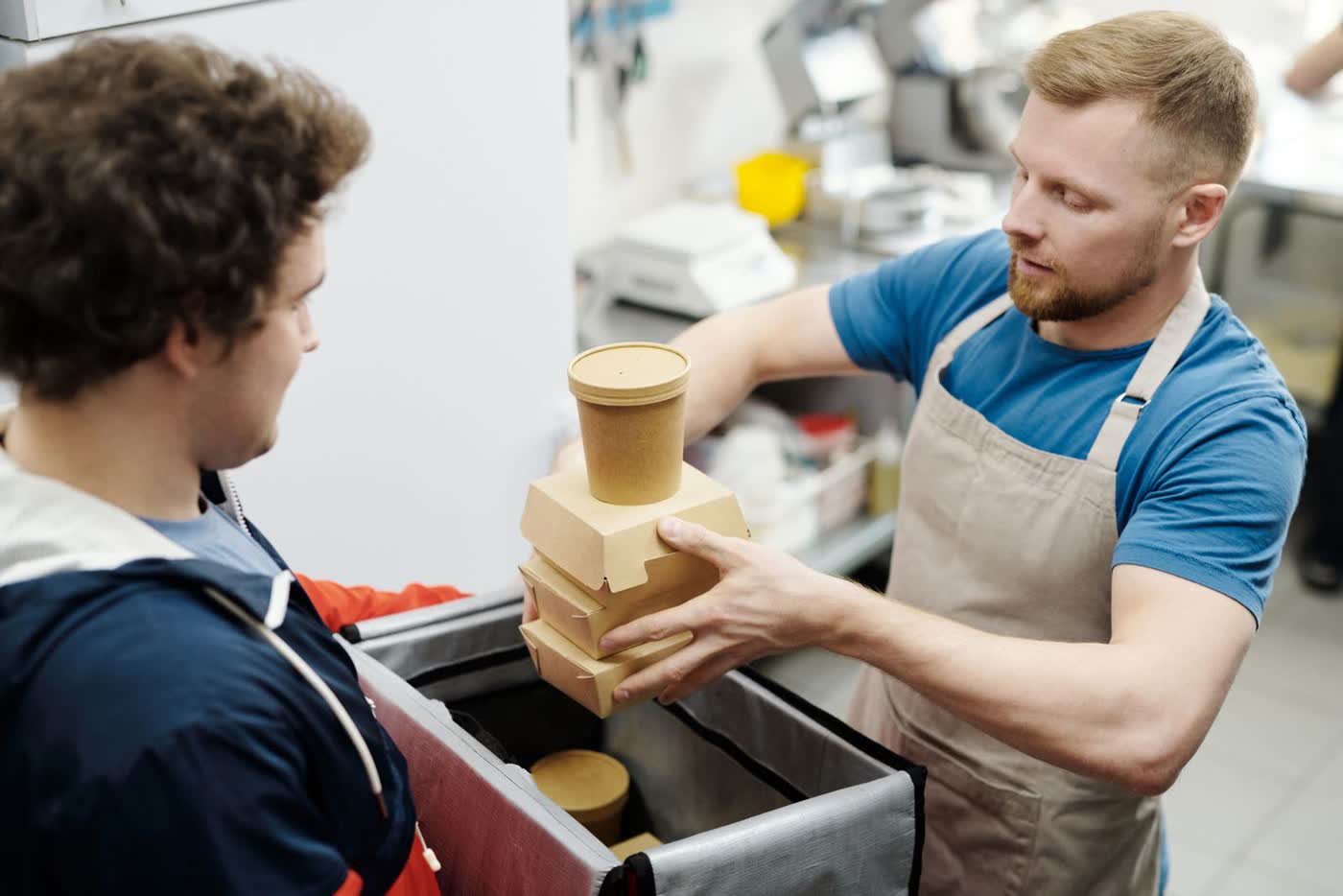
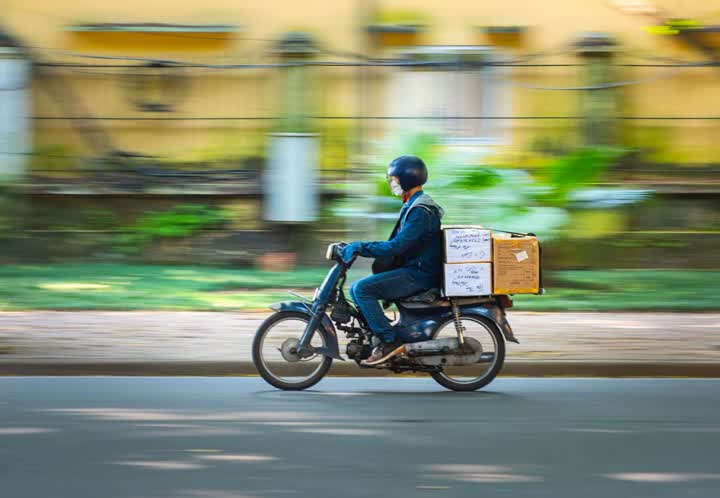
A cloud kitchen is a kitchen with no dining room. Orders come through delivery apps, couriers collect the food, and the customer may never learn where it was cooked. The same kitchen can run several brands at once, which is why the model has become one of the Gulf’s most talked-about experiments in restaurant economics.
Three versions of the model
In practice, the Gulf has at least three. The first reuses space that already exists. Arab News described a Saudi breakfast operator, Faris Breakfast, that turned a branch kitchen used only in the mornings into a delivery kitchen for the rest of the day, spreading fixed costs across more sales without new rent.
The second is the owned portfolio. Kaykroo, a Dubai-born food-tech company that entered Saudi Arabia in 2021, runs more than 77 digital-first brands in the Kingdom, according to the same October 2025 report. Its Saudi chief executive said it owns and runs its kitchens, not leasing space to outsiders, and combines recipe development, logistics and data science. Kitopi, the best known regional operator, describes itself as an ecosystem rather than a kitchen landlord: it says it runs over 200 outlets, restaurants and delivery-only locations, across the UAE, Saudi Arabia, Kuwait, Bahrain and Qatar, with its own brands including Operation Falafel, Catch-22 and Right Bite.
The third is the platform as landlord. In March, talabat UAE offered 100 rent-free cloud-kitchen spaces for six months to UAE-founded brands that had operated for at least 24 months, shown at least 12 months of delivery activity and kept a physical location. Applications closed on 3 April, and the scheme was scheduled to run to September.
Why operators try it
The appeal is arithmetic. Arab News’s reporting found that launching a virtual brand costs less than opening a restaurant, which lets founders test ideas at lower risk, and that extra brands add revenue without extra real estate. The demand is there: Saudi Arabia counted more than 118 million deliveries of all kinds in the first quarter, and Syrve MENA says delivery now makes up 30.5 per cent of restaurant orders on its UAE network while dine-in orders fall. Mordor Intelligence projects cloud kitchens as the fastest-growing foodservice format in the GCC, at 13.24 per cent a year. We place those figures in context in our segment analysis.
Where the model strains
The limits show up in the same reporting. A kitchen without a storefront has no foot traffic, so brands rely on advertising, influencers and paid placement in apps; a customer who never sees a listing never finds the brand. One Saudi founder told Arab News that the hardest part is managing costs, especially the commission that delivery platforms take. Visibility on Jahez and HungerStation often costs money, usually through discounts or free delivery. The same report expects consolidation, with strong operators growing and weaker ones exiting, and notes that regulation is unclear.
Regulators are now moving. In Kuwait, Ministerial Decision 109 of 2026 caps commissions that platforms charge restaurants at 17 per cent where the platform delivers, and 10 per cent where the restaurant uses its own staff, and caps consumer delivery fees at one dinar. Kuwait Times said some platforms had charged up to 35 per cent. The rules took effect on 1 September. A court of first instance has since annulled the article that set penalties, which has left industry figures worried about enforcement, although the caps themselves stand and the ministry can appeal.
A hybrid future
Kitopi’s own description is telling. The group raised $50 million in growth capital in February, led by EvolutionX, the private-credit platform set up by Temasek and DBS, after what it called its profitability milestone. The money is intended for its own brands, expansion across five Gulf markets and franchising. The company now talks about delivery and dine-in together. That suggests the likely endpoint is not a world of invisible kitchens, but a blend: brands that begin in a delivery kitchen and earn a street presence once they have proved demand.
The kitchen is the cheap part. The customer’s attention is not. The operators best placed to succeed will be those with reliable data on what sells, a theme that links to Foodics’ purchase of an analytics company, covered in our Foodics report.
Sources & fact-check7
- Saudi Arabia’s cloud kitchen evolution: from hidden kitchens to branded empiresArab News, 11 October 2025
- EvolutionX makes first investment in GCC, leads $50mln growth capital raised by F&B tech leader KitopiZawya (EvolutionX press release), February 2026
- talabat UAE to offer 100 rent-free cloud kitchen spaces to support homegrown restaurantsWhat’s On Dubai, 23 March 2026
- New rules cap delivery fees at KD 1, limit app commissionsKuwait Times, 14 July 2026
- Court strikes down delivery penalties, raising fears of weak enforcementKuwait Times, 27 September 2026
- UAE food delivery boom: Orders rise 15% despite weaker restaurant demandKhaleej Times, 20 July 2026
- GCC Foodservice Market Size & Share Outlook to 2031Mordor Intelligence, 11 September 2026
Every name, number and date in this story was checked against the sources above before publication. Spotted something wrong? Tell us — we correct errors openly. See our editorial standards.