How Dubai Chocolate Became More Than a Viral Dessert
What began as a chocolate-and-kunafa bar has become a category of its own, with cookies, croissants and cheesecakes built around kunafa textures. Proof that regional ingredients can travel without losing their identity.
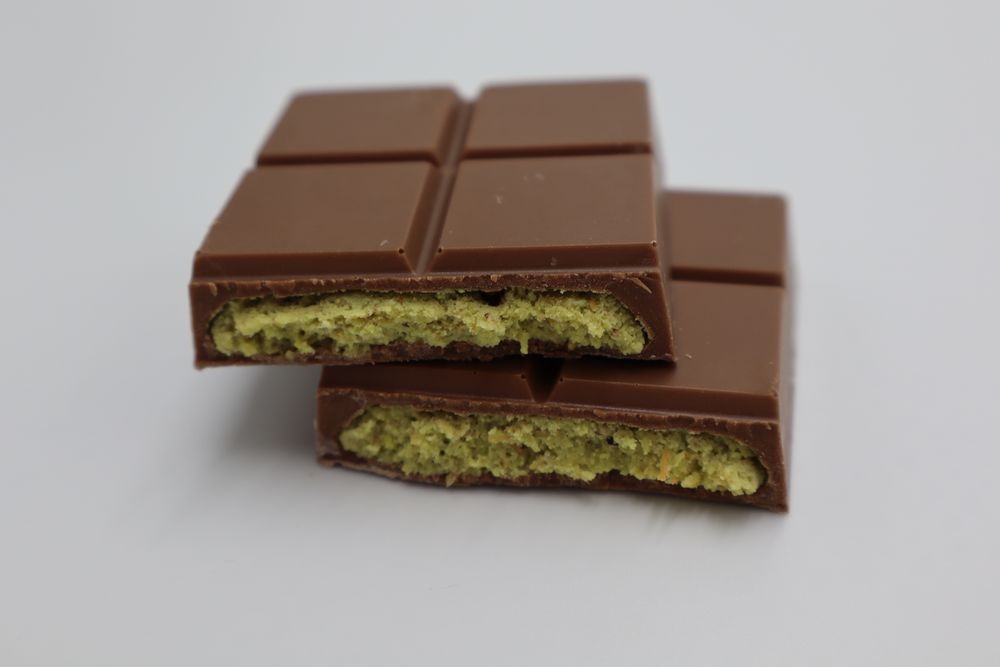
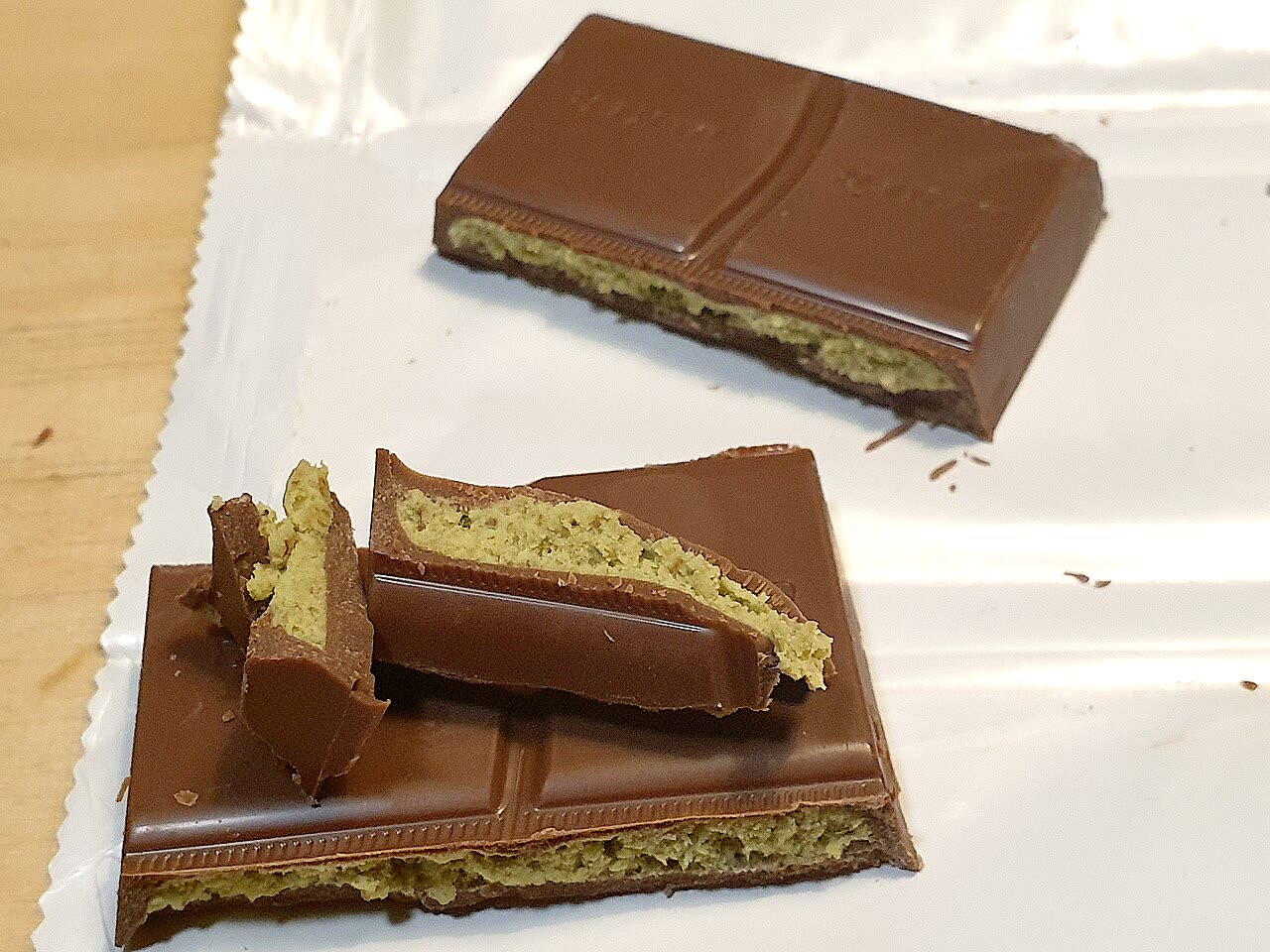
The bar that started it all is easy to describe. A milk chocolate shell holds crisp kunafa pastry, a pistachio cream and tahini. It was created at FIX Dessert Chocolatier, a Dubai company founded in 2021 by Sarah Hamouda, a British-Egyptian entrepreneur who has said the idea began as a pregnancy craving. The first flavour carried a pun for a name, “Can’t Get Knafeh of It”, and few people could have guessed what it would become.
One bar, a disputed credit
Who deserves credit for the recipe is not settled. Pastry Arts Magazine reported in November 2025 that the chef Nouel Catis says he created the bar and was not credited when it went viral, while Hamouda was unavailable to comment for the article. Both sides, it noted, regard copying by other chefs as flattering. Hamouda told Tatler Asia that her process starts with a story, a memory or a craving and moves into kitchen testing for texture and balance.
What is not in dispute is the texture. Kunafa, the spun pastry dough at the heart of the Levantine dessert, supplies the crunch, folded into the chocolate with pistachio and tahini. TikTok did the rest: Pastry Arts cites a Dubai creator’s video of herself eating FIX bars that reportedly drew 124.6 million views, a figure it attributes to The Spectator.
From bar to category
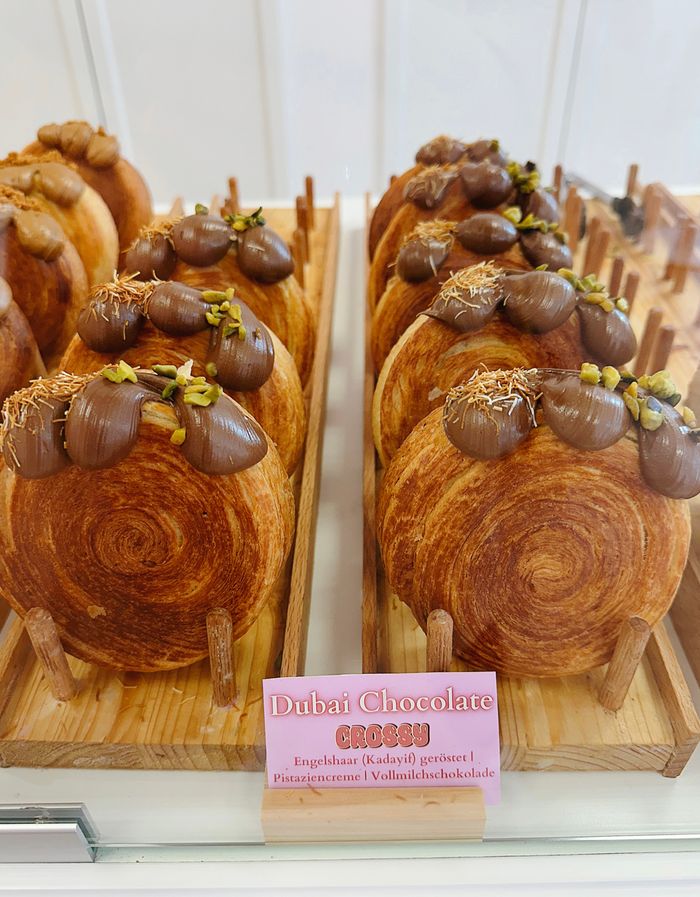
By the autumn of 2024 the craze had reached the United States. NPR reported that early buyers ordered the bars from Dubai or drove long distances to Arabic specialty stores, and that people lined up at a New York nut shop that limited each customer to one bar once it began making its own version. Local makers were soon building the flavour into other things: croissants in San Francisco, waffles in Milwaukee, cupcakes in Houston, milkshakes in Chicago and ice cream bars at Baskin-Robbins. Puratos, a bakery-ingredients company, noted in December 2024 that bakers were making Dubai croissants, macarons, donuts, muffins, cookies and cheesecakes.
A year later the pattern had set. Pastry Arts listed Shake Shack, IHOP and Ghirardelli among chains with Dubai-chocolate products, and an AP report carried by Gulf News in October 2025 described the trend as a lasting category rather than a fad. The same report linked the trend to a pistachio shortage, citing an Iranian nut producer. Hamouda has told Tatler Asia that the claim that her company caused a global pistachio shortage is not entirely true, though FIX does use a lot of pistachios.
The most recent turn came in 2026. Gulf News reported in January that a “Dubai chewy cookie” was selling out in South Korea, where it is known as jjondeuk or dujjonku. It keeps the bar’s flavour, with a pistachio and shredded kataifi centre, but wraps it in marshmallow for a stretchy bite.
What travels, and what stays
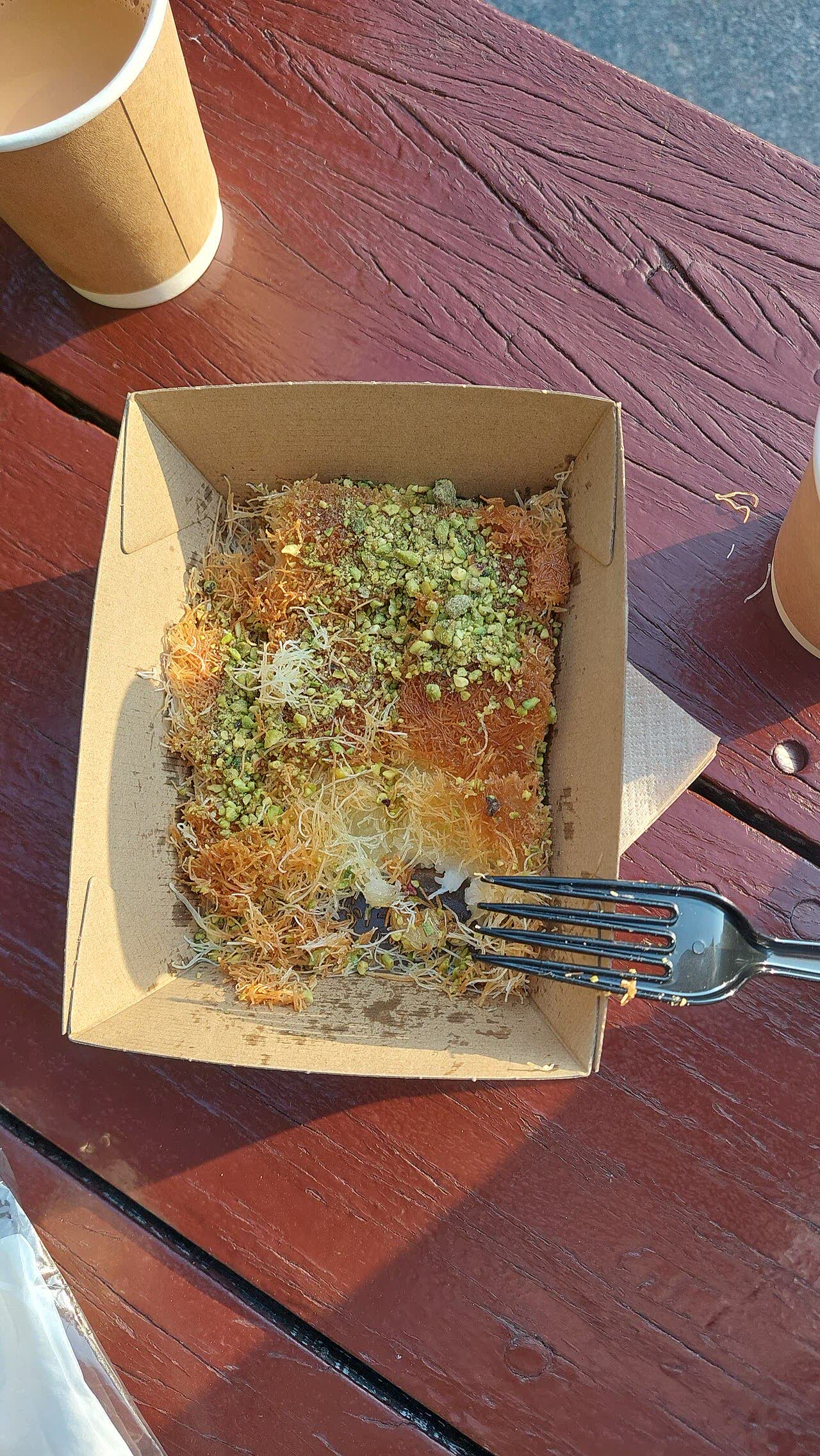
Kunafa’s crunch and pistachio’s colour have proved easier to export than the dessert’s traditional form.
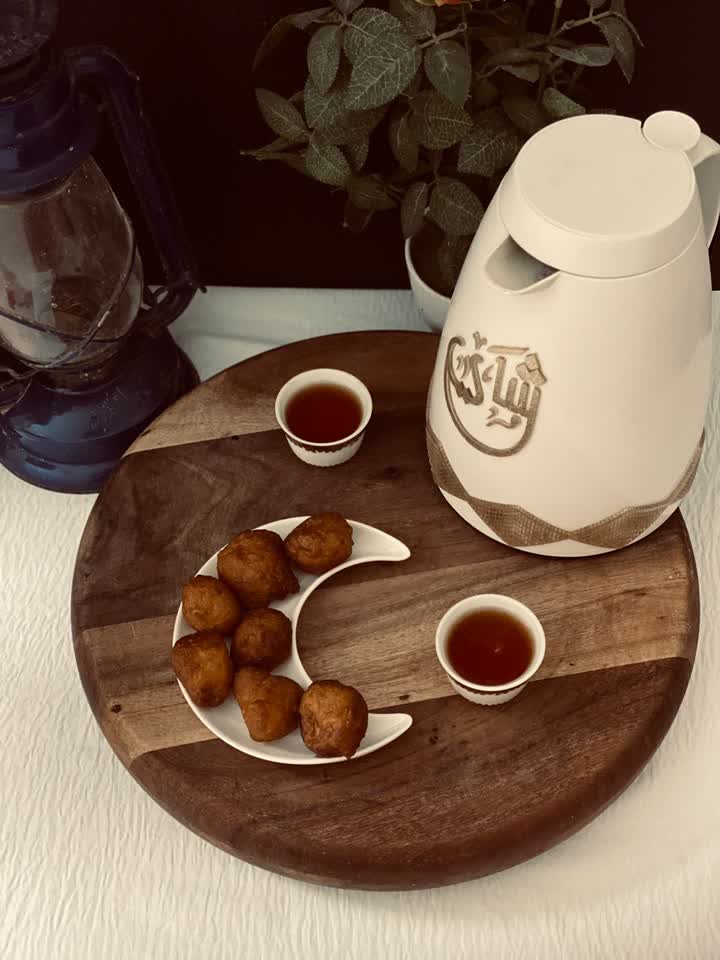
The ingredients that have travelled best are the ones that translate easily: the crunch of shredded pastry, the colour and richness of pistachio, the nuttiness of tahini. Gulf News’ AP report also notes rose, saffron and cardamom flavours appearing in newer versions, a reminder that the regional pantry is wider than one bar. At home the pattern runs the other way. The Emirati restaurant Al Fanar, which serves luqaimat in the traditional way with date syrup, lists chocolate and pistachio variations on its menu; our luqaimat recipe shows the original.
FIX itself has been cautious about growth. Hamouda told Tatler Asia in May 2025 that the company had no immediate expansion plans, and that its near-term focus was on growing the team, improving production and maintaining quality, while keeping the option of new products or markets open when the timing is right.
Where the bar itself is concerned, Pastry Arts reported in late 2025 that the original FIX bars remain available only in Dubai and Abu Dhabi, while most of what is sold under the name elsewhere is made by someone else. For the wider story of how kunafa is being reworked, from cheesecake to croissants, see our piece on kunafa reinvented. What the Dubai chocolate story shows is how quickly a dessert from the Gulf can become a global format, and how much of its identity rests on a handful of Middle Eastern pantry ingredients.
Sources & fact-check8
- Dubai dramaPastry Arts Magazine, 3 November 2025
- Dubai’s irresistible chocolate revolutionGulf News, 28 March 2025
- The Dubai chocolate craze: how one pistachio-filled bar took over the worldTatler Asia, 7 May 2025
- A viral chocolate bar from Dubai is here to stayNPR (via HPPR), 25 November 2024
- Dubai chocolate craze is now about much more than barsGulf News (AP), 7 October 2025
- Dubai chocolate chewy cookies go viral in South KoreaGulf News, 19 January 2026
- How you too can benefit from the viral Dubai chocolate trendPuratos, 5 December 2024
- What is luqaimat? The Emirati dessertAl Fanar
Every name, number and date in this story was checked against the sources above before publication. Spotted something wrong? Tell us — we correct errors openly. See our editorial standards.