Sweet Meets Heat: Why Swicy Flavours Are Finding an Audience
Sweet-and-spicy “swicy” pairings and their fruit-led cousin, “fricy”, are working their way from sauces into drinks, desserts and snacks. The appeal is as much about how we taste as about what trends on social media.
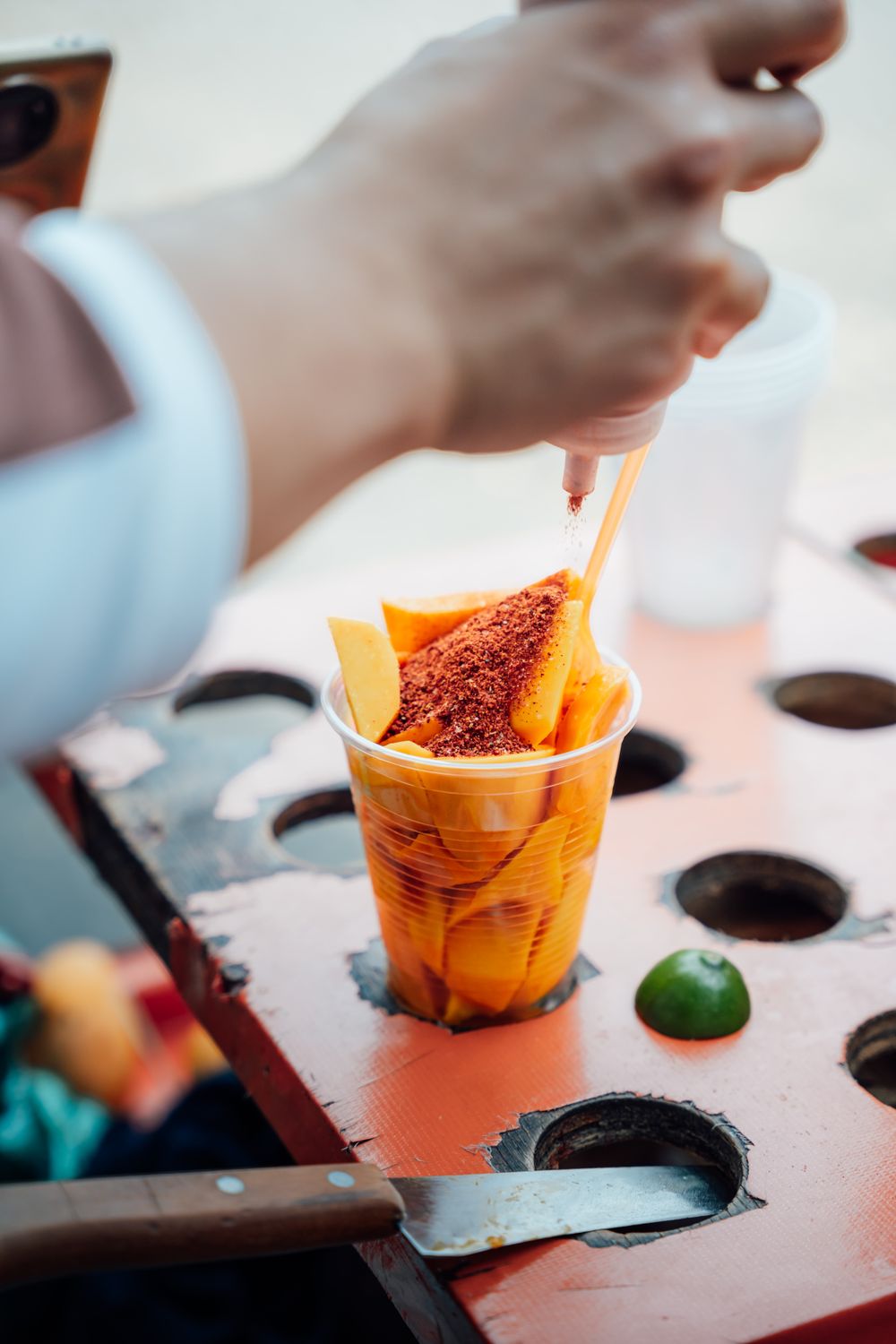
The idea is not new. A pinch of chilli on mango or a drizzle of sweet heat over fried chicken belongs to kitchens that stretch from Mexico to Korea to Thailand. What has changed is the vocabulary and the speed. “Swicy”, a blend of sweet and spicy, has become a menu and supermarket label, and this summer its fruit-led offshoot, “fricy”, joined it.
From hot honey to “fricy”
Swicy’s poster ingredients are easy to list: hot honey on pizza and fried chicken, mango habanero in sauces and wings, the sweet-hot chilli paste gochujang, and chamoy, the Mexican condiment of pickled fruit, chilli and lime that has spread across social media. A Yahoo explainer points out that the pairing is old in other cuisines: gochujang is both sweet and spicy, Thai cooks combine fish sauce, sugar and chilli, and Mexican snacks built on tamarind, chamoy and chilli powder have long been popular.
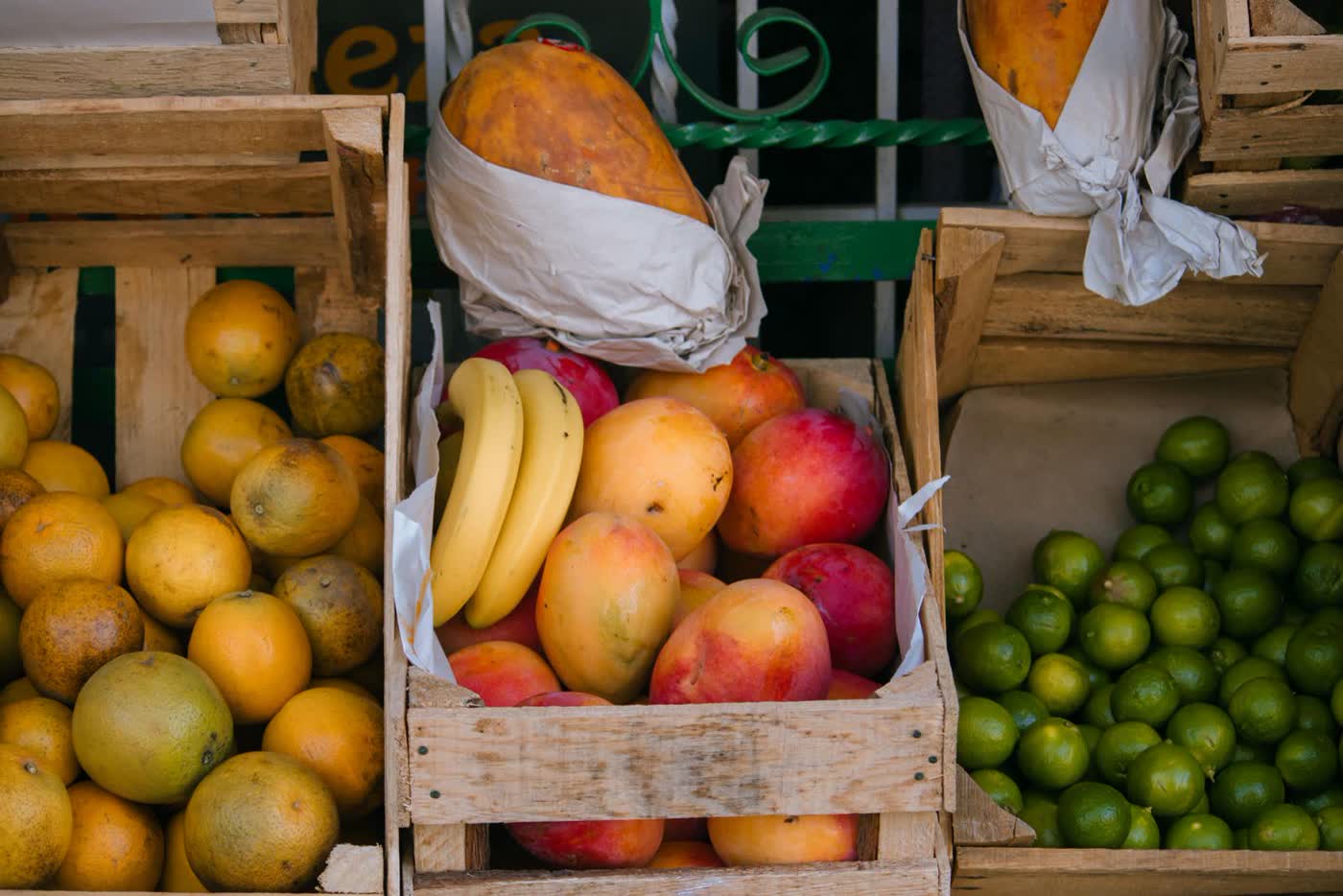
Fricy narrows the idea to fruit. FoodNavigator described it in June as an emerging, Gen Z-driven trend for summer 2026, pairing sweet fruit such as pineapple, peach, mango, strawberry or watermelon with the heat of chilli or black pepper. It draws on Latin American and some Asian cooking, and it has already reached retailers: the article notes that UK supermarket Waitrose has released fricy recipes, such as a pineapple and raspberry jalapeño sauce. An ice cream inventor quoted there said mango-chilli or raspberry-jalapeño flavours would have raised eyebrows in the 1980s but fit today’s more adventurous customers.
Why the combination works
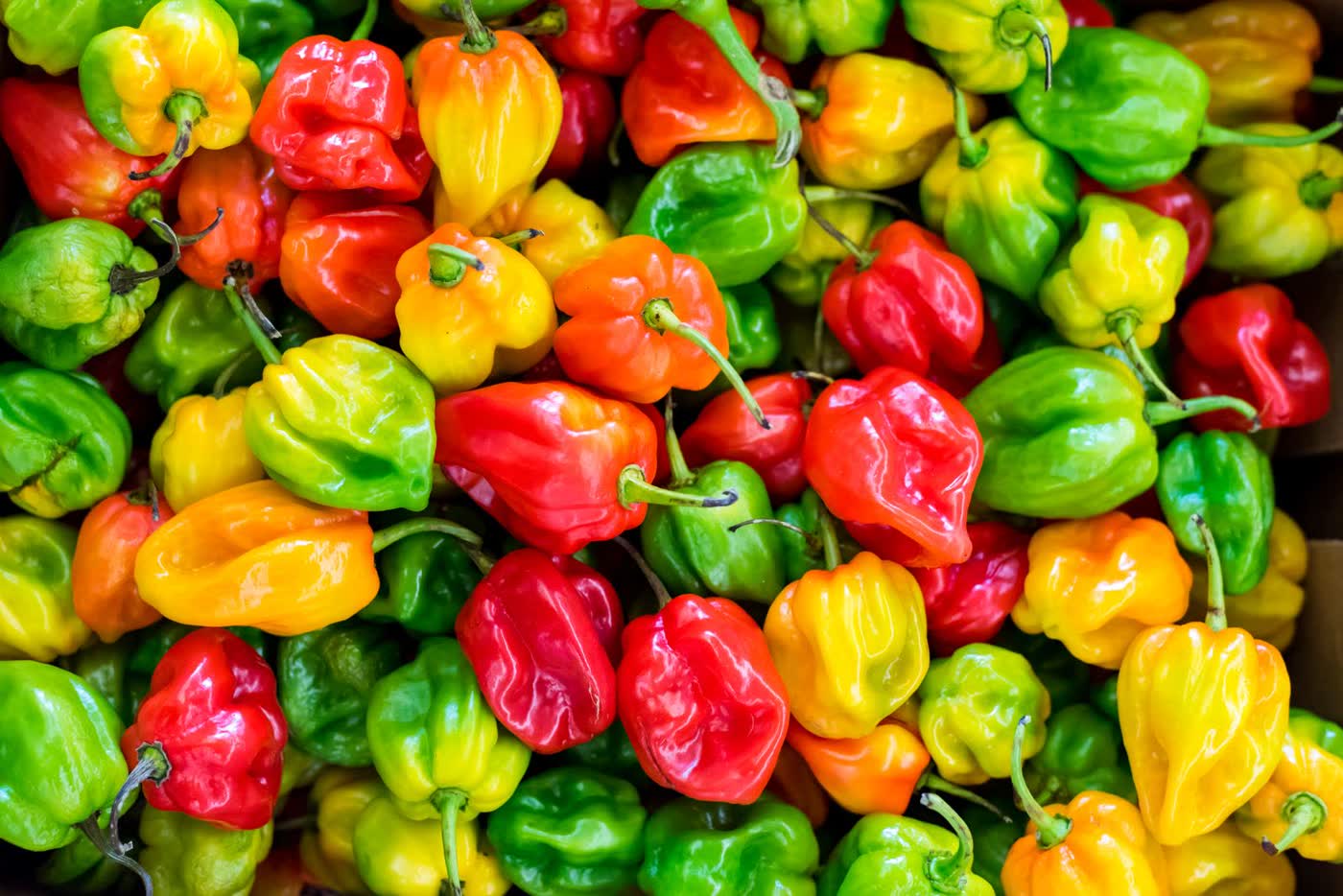
The flavour science helps explain the staying power. In the FoodNavigator report, Dr Ni Yang of the University of Nottingham describes flavour as three layers: aroma, taste and a trigeminal sensation, the nerve response to heat and tingle. Capsaicin, the compound that makes chillies hot, triggers a temperature and pain receptor, and she says the brain registers fruit’s sweetness within roughly 10 seconds, while heat builds more slowly and peaks at around 20. Heat arrives late; sweetness arrives first.
Heat arrives late; sweetness arrives first.
That sequence gives eaters something to follow, and her research, she says, found people rate flavour more highly when heat is added. Sweetness and acidity also soften the burn, one sauce-maker told the publication, making the food more approachable.
Why it is spreading now
Social media plays a role, but so does product design. A Food Ingredients First round-up in July quoted flavour specialists saying consumers want heat balanced by sweetness rather than raw spice, and that swicy has moved from sauces into drinks, snacks, confectionery and desserts. One cranberry supplier suggested chilli-lime dried cranberries and cranberry hot honey, while a fruit-ingredient specialist called mango “a playground for innovation” and noted growing interest in guava, calamansi and tamarind. The same article files hot honey, mango habanero, gochujang caramel and pineapple chilli under the fricy label.
Younger consumers are the main audience. Yahoo’s explainer cites Tastewise research that about 74 per cent of Gen Z use TikTok for food ideas, and notes that dishes now have to look good on camera to spread. A supplier blog for restaurants, Sauce, adds a business argument: sweet-heat elements often sit in sauces, drizzles and toppings, so they can be added without rebuilding a menu, and guests can choose their own level of heat.
What comes next, and what it means in the Gulf
Forecasters are already looking past swicy. Food Dive’s January roundup projects it developing into “swangy”, sweet, spicy and tangy, and “swavory”, adding savoury notes, with growing demand for texture and mouthfeel as well as flavour.
The trend is global rather than Gulf-born, and published reporting on it in the region is thin. But the appetite for stacked flavours is visible: Khaleej Times, writing about the viral Dubai chocolate bars from FIX Dessert Chocolatier, listed fillings including Lotus Biscoff, kunafa and karak tea. We trace how that bar grew into a wider dessert category in our Dubai chocolate report, and how kunafa itself is being reworked in our kunafa feature. A mango with chilli is a long way from a pistachio bar, but both rest on the same instinct: give a familiar flavour a second beat.
Sources & fact-check6
- ‘Fricy’: why it’s the hottest flavour trend of summer 2026FoodNavigator, 26 June 2026
- Flavor innovation in 2026: Swicy heat, tropical twists and sensory surprisesFood Ingredients First, 22 July 2026
- From ‘newstalgia’ to ‘swangy’: The flavor trends taking over 2026Food Dive, 29 January 2026
- What is the swicy food trend and why it is everywhere in 2026Yahoo Creators, 2026
- Sweet Meets Heat: The Swicy Flavor Trend Boosting Restaurant Sales in 2026Sauce, 2026
- Found only in UAE, this viral pistachio kunafa chocolate is the talk of the townKhaleej Times, 9 July 2024
Every name, number and date in this story was checked against the sources above before publication. Spotted something wrong? Tell us — we correct errors openly. See our editorial standards.