Tawlet, Beirut: Lebanon’s Village Kitchens at One Table
Since 2009, cooks from villages across Lebanon have taken turns in a Mar Mikhael kitchen, bringing the dishes of their own households to one shared table.
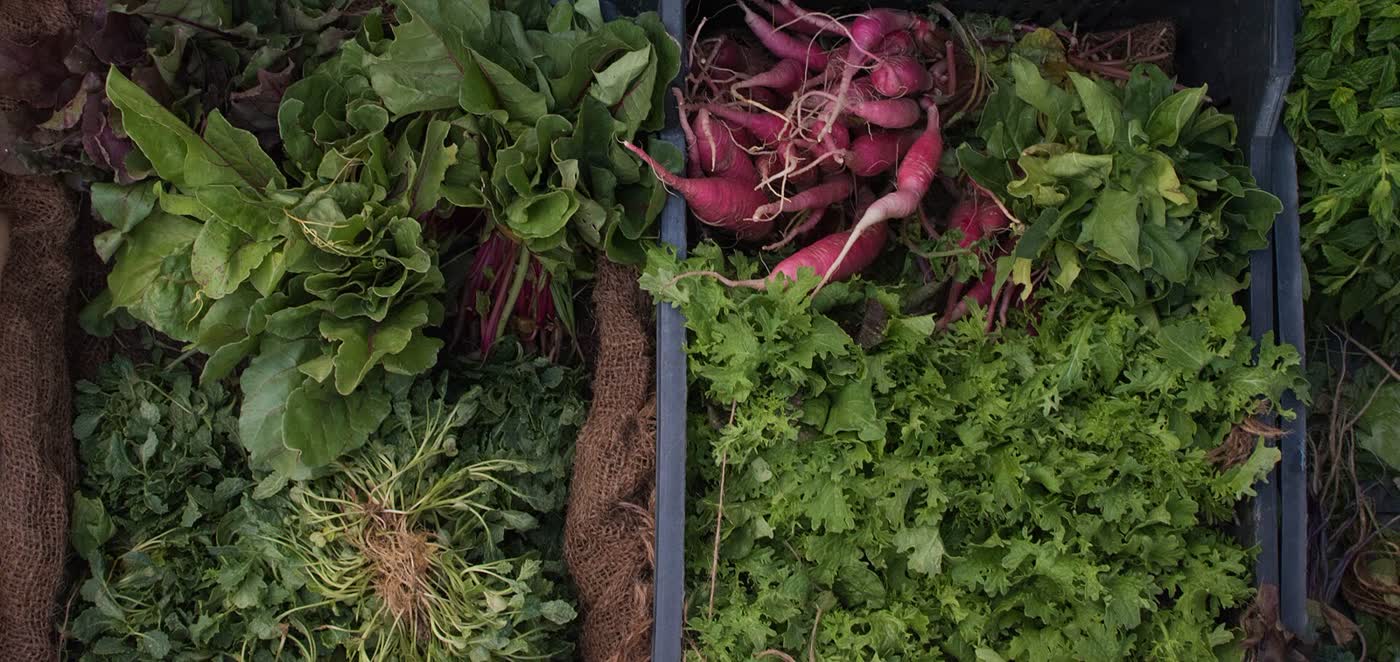
The cook in the Tawlet kitchen changes from day to day. On weekdays, according to Souk el Tayeb, a rotating cast of women from all across Lebanon showcase their local and regional specialities, and the buffet changes with them. The idea is simple and unusual: the kitchen belongs to the households that the food comes from.
Tawlet Mar Mikhael opened in 2009 and is the original of the Tawlet farmers’ kitchens, according to The 50 Discovery. It grew out of Souk el Tayeb, the Beirut farmers’ market that Kamal Mouzawak launched in 2004. In Arabic tawlet means table, and Mouzawak has said as much in an essay for the Serpentine Galleries in London, where he also said the family chose the name for their first farmers’ kitchen in 2009. He added that he rejects the label of restaurant for it.
The kitchen belongs to the households that the food comes from.
One kitchen, many villages
A 2018 visit by Arab News shows how this works. The restaurant sits back from the main road at the end of a short cul-de-sac in Mar Mikhael. On the Saturday afternoon described, the cooks were siblings Fadi and Nada from Dhour El Choueir, and the table held freekeh with chard and mushrooms, an aubergine and tomato salad, eggs cooked in a clay dish, spiced lamb flatbread and kibbeh krass. The article says the food leans towards regional, seasonal, home-style cooking rather than the best-known Lebanese staples.
Who cooks matters as much as what. Arab News says the cooks include Muslims and Christians, Lebanese and Syrians, Palestinians and Armenians. Mouzawak presented the project to the paper as a way of building coexistence around shared food, and as a social enterprise the kitchen directs its profits mainly to supporting cooks and producers.
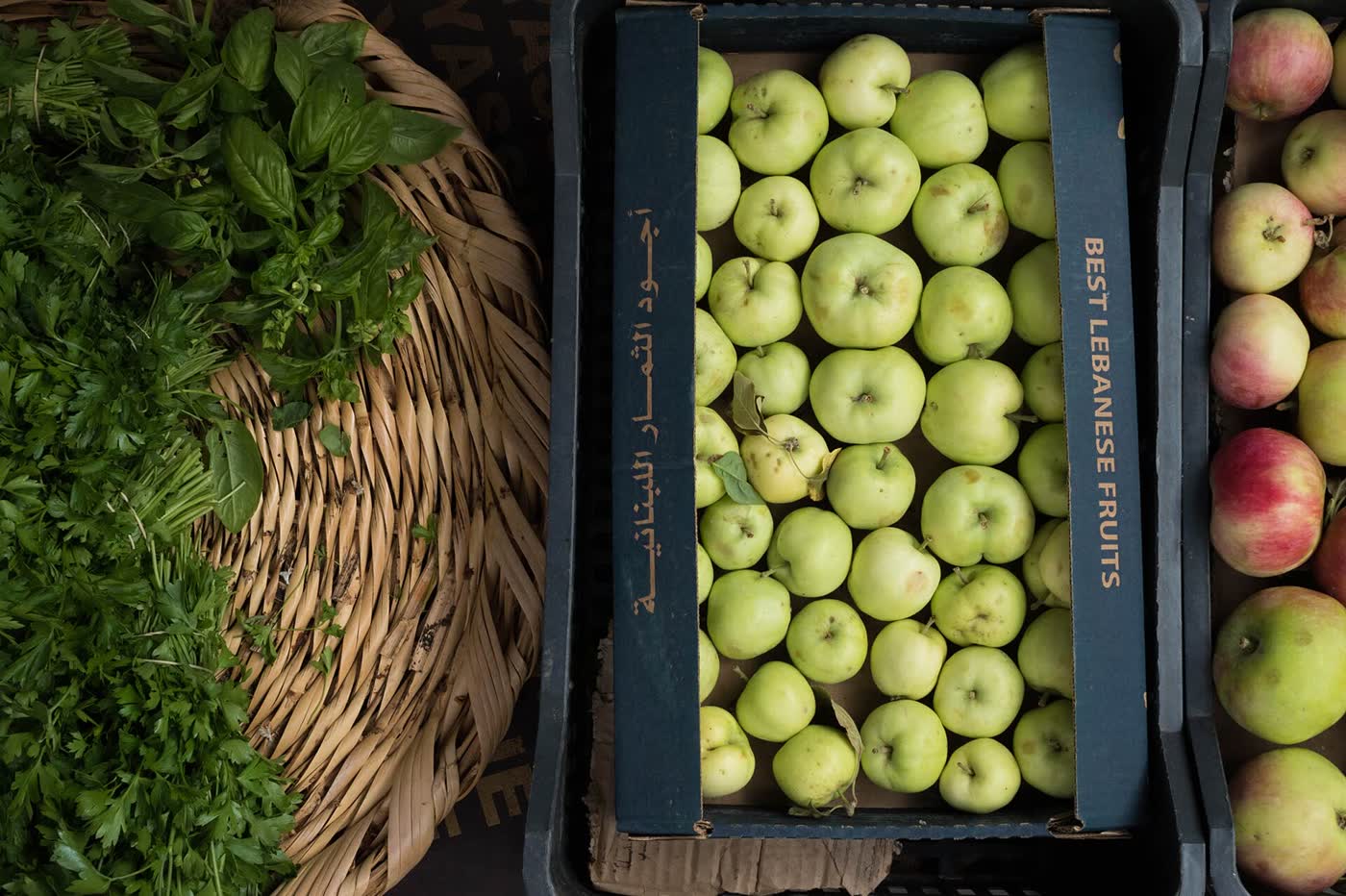
Cooks with names and villages
The Serpentine essay introduces two cooks of the Tawlet network. Georgina al Bayeh, from Kfardlekos in north Lebanon, cooks at a large table at home, with dishes such as tabbouleh, fatayer and kibbeh, and Sunday family lunches are her moment of sitting down together. Zainab Kashmar, from Hallousyieh in the south, has a table on a terrace overlooking the hills. They are introduced by name and by village, and that framing runs through the way Tawlet describes itself: its website calls the kitchens places where cooks tell their stories and traditions through home cooking.
“We refuse to call Tawlet a restaurant,” Mouzawak writes, saying the label fixes it as a food and beverage project. In practice, The 50 Discovery says, the chefs share stories and recipes at the buffet, so the meal feels like dining in a Lebanese home. The official page lists a weekday lunch buffet, with an à la carte menu earlier in the day, and The 50 Discovery adds that on Saturdays the regular Mar Mikhael team runs a brunch.
A kitchen with a market beside it
Arab News described the organisation in 2018 as led by Mouzawak and grown from that first market into Tawlet kitchens in Beirut and Ammiq and several guesthouses. The Saturday market that began the project still runs on Armenia Street in Mar Mikhael, according to the Souk el Tayeb website. The same site lists further Tawlet kitchens at Ammiq in the West Bekaa, at Bakish and in Paris, alongside a delivery service in Beirut. The Mar Mikhael kitchen is listed as operating on the organisation’s own pages; no independent report from 2025 or 2026 was found, so readers planning a visit should confirm details with Tawlet directly.
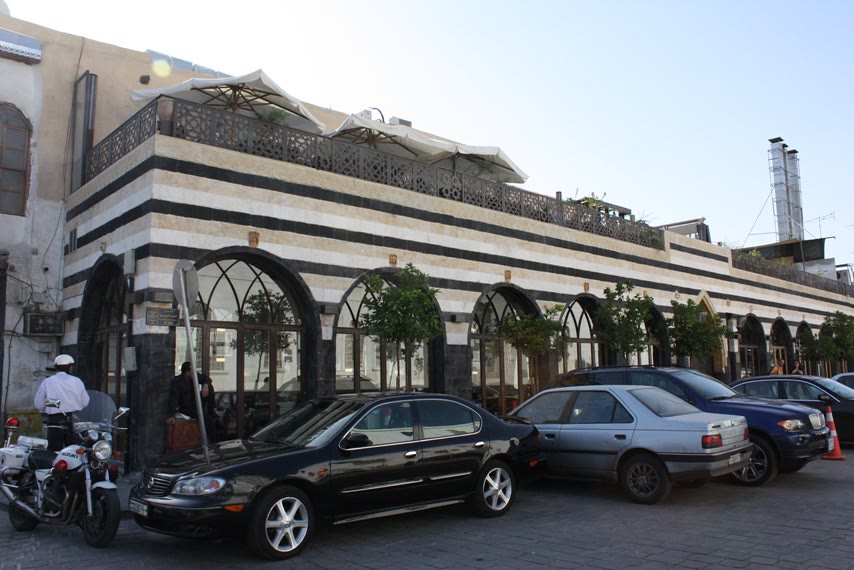
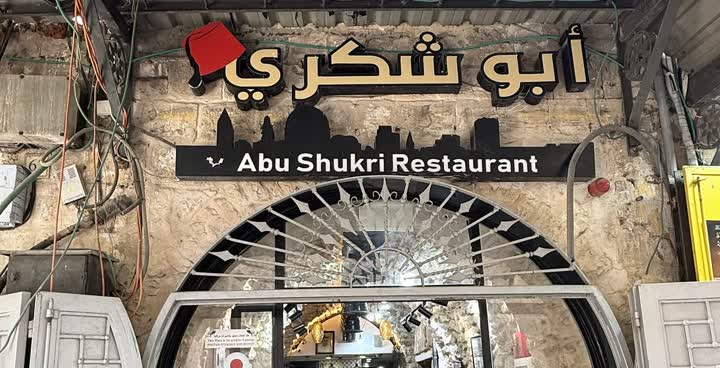
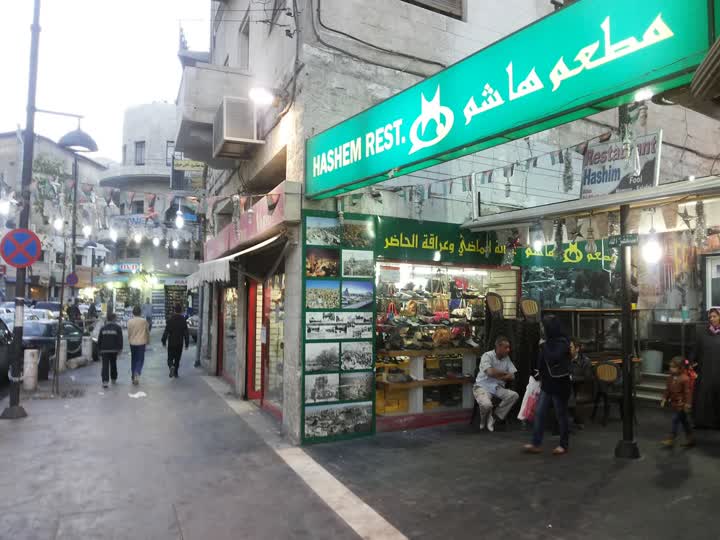
For a series on Arab food heritage, Tawlet offers a contrast with restaurants built around a single chef or a single dish. Its subject is range: the cooking of many villages, kept in the hands of the people who learned it at home. Its place alongside the hummus counters of Jerusalem’s Old City and the courtyards of Damascus is a reminder that the Levant’s table has many doors.
Sources & fact-check6
- Tawlet Mar MikhaelSouk el Tayeb (official website), 14 October 2026
- Homepage: Tawlet locations and the Saturday marketSouk el Tayeb (official website), 14 October 2026
- Tawlet Mar Mikhael - Beirut - RestaurantThe 50 Discovery, 14 October 2026
- Tawlet: Beirut’s hidden gem serves up simple, seasonal treatsArab News, 21 July 2018
- Tawlet (essay by Kamal Mouzawak)Serpentine Galleries, 15 August 2023
- Tawlet Mar Mikhael, Armenia Street (node 9900531219)OpenStreetMap, 14 October 2026
Every name, number and date in this story was checked against the sources above before publication. Spotted something wrong? Tell us — we correct errors openly. See our editorial standards.